
You’ve finished your run. The workout is over. Sweat was running down your temples, your heart rate was sky-high.
That’s it, time for a shower?
Wait. Hold up.
A cool-down isn’t an optional add-on. It’s the final and crucial stage of your workout, especially in running.
Let’s figure out why you need it, what’s happening in your body during these minutes, and how to do it correctly.
🧠 What Happens to Your Body After a Run
During a run:
- Your heart is working at high revs
- Your muscles are getting a big influx of blood
- Your blood vessels are dilated
- Stress hormones (adrenaline, cortisol) are being released
If you stop abruptly:
- Blood starts pooling in your lower limbs
- Your blood pressure can suddenly drop
- Your vessels constrict — you may feel dizzy
- CO₂ and metabolic byproducts don’t get cleared out in time
📌 Result: you feel “wrecked”, extremely tired, and sometimes nauseous.
🏃 What a Cool-Down Does for You
A cool-down is the transition from training to recovery.
It:
- lowers your heart rate gradually, not abruptly
- helps restore your breathing and oxygen balance
- activates removal of lactic acid and other metabolites
- improves lymphatic drainage — reduces swelling and heaviness in the legs
- reduces the risk of dizziness and cramps
- switches on the parasympathetic system — the signal that “it’s okay to rest now”
🔍 What Science Says
- Studies show: a 10–15 minute cool-down reduces lactic acid levels 30–40% faster than stopping abruptly.
- Heart rate and breathing recover faster in those who finish their workout with a gradual decrease in pace.
- Athletes who regularly cool down have fewer micro-injuries, higher HRV, and better sleep quality.
🧘♂️ What a Proper Cool-Down Looks Like
Stage 1: Transition Run / Walk (5–10 minutes)
- 3–5 min easy jog →
- 3–5 min walking, ideally on a soft surface
- Important: bring your heart rate down gradually, don’t stop all at once
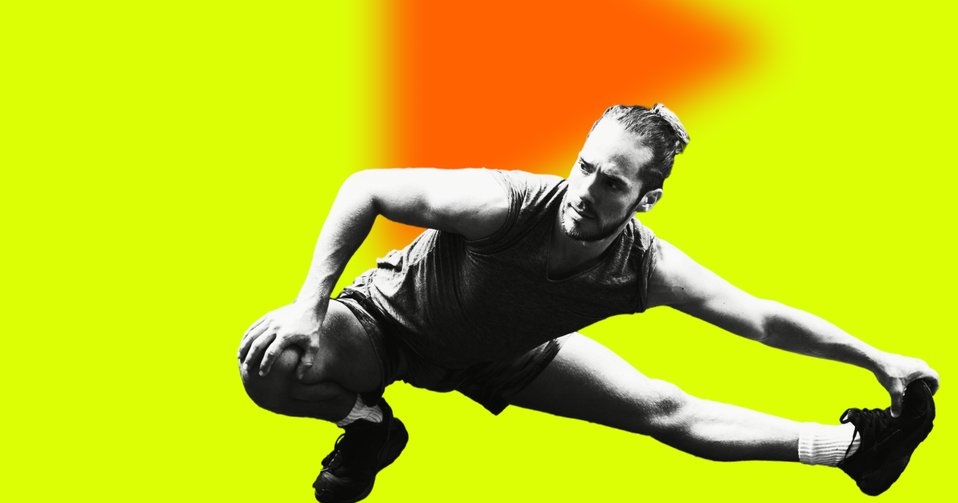
Stage 2: Dynamic Stretching (3–7 minutes)
Stretching not to the point of “tearing”, but to a gentle feeling of lengthening:
- Calves
- Thighs (front and back)
- Hamstrings
- Glutes
- Back and lower back
- Shoulders and neck (if you were running with upper-body tension)
📌 Stretching improves blood flow to tired muscles and reduces the risk of DOMS
🤔 What If You Don’t Have Time?
Sometimes you think: “I’m exhausted, I’m definitely not up for a cool-down.”
But that’s actually the opposite effect — your brain just got a “stress” signal and wants to shut down.
Even 3–4 minutes of walking + 1–2 exercises will help.
Try this minimal plan:
- 2 min walking
- 30 sec — calf stretch
- 30 sec — back of the thigh
- 30 sec — glutes
- 30 sec — breathing (inhale 4 / exhale 6)
❌ What Happens If You Skip the Cool-Down
- Heart rate drops too quickly — higher risk of dizziness
- Metabolic byproducts accumulate → more soreness
- Recovery takes 12–24 hours longer
- Your body stays in “fight mode” longer → sleep problems
- Your training rhythm gets disrupted — your body doesn’t have time to recover
🧩 Example Cool-Downs for Different Workouts
📦 An Everyday Cool-Down Scenario
Mon — 5 min easy jog → 3 min walk → 3 min stretching


Wed — 7 min walk → 5 min breathing lying down


Sat — 10 min walk + foam roller on thighs and calves\
🤝 How Does URX Help?
When your training is part of an online race (for example, URX):
•	you have a clear structure — and **the cool-down becomes a habit**


•	you’re not going “all out” every time — less overtraining


•	after each track you get **visual progress**, not just “numbers”


•	you can join “gentle” formats → where the goal is recovery
📌 Add a cool-down to every track — and your body will start asking for it itself. Just like it asks for water or sleep.
🏁 Key Takeaways
- A cool-down isn’t “for later”, it’s part of the workout
- It kick-starts recovery, reduces fatigue, and improves sleep
- Even 5 minutes make a difference
- Better 3 minutes every time than 15 minutes once a month
- URX helps you build cool-downs into your system without extra pressure.