
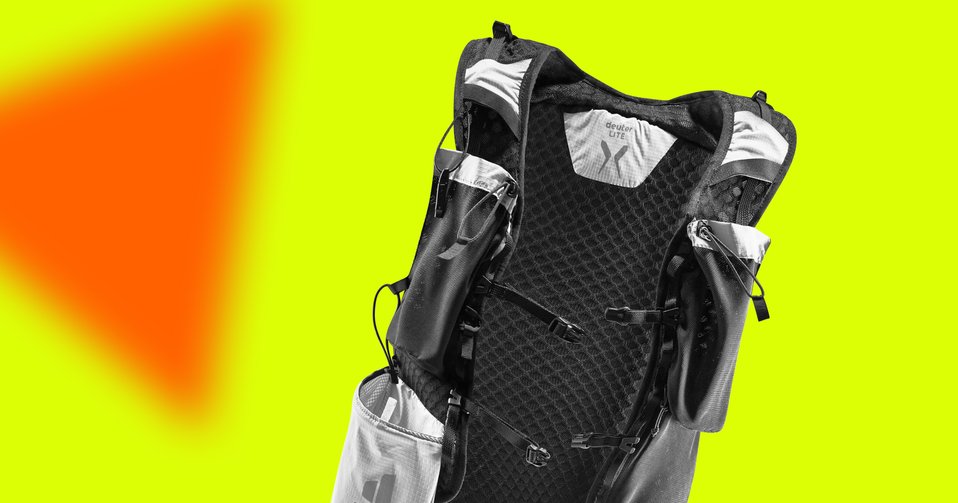
In the heat you sweat more, on the trail there’s no drinking fountain around the corner, and on a long run you need to top up your reserves.
The simple solution: carry water with you. But how?
— Bottle in your hand?
— Pack with soft flasks?
— Belt?
— Collapsible flask in your pocket?
Each option is a compromise between weight, comfort, accessibility and ergonomics. In this article we’ll figure out how not to get it wrong.

💧 Why you should carry water at all
- Losing 2% of body weight as sweat = endurance drop of up to 10–15%
- In the heat you lose 500–1500 ml/hour
- On runs >60 minutes it’s especially important to drink regularly
📌 Drinking only when you’re thirsty is already too late. You need to drink by a plan.
🥇 General principles for choosing a hydration system
🧴 Hydration system formats
1. 🖐 Handheld flask (handheld bottle)
- Volume: 300–600 ml
- Often with a hand strap
- You can drink without stopping
- Option: collapsible soft flask
Pros:
- Direct access
- Easy to monitor how much you drink
- Great for races up to 10K
Cons:
- Load on one arm
- Can affect biomechanics
- Takes getting used to
💡 Best for: beginners, runs up to 1 hour, city races
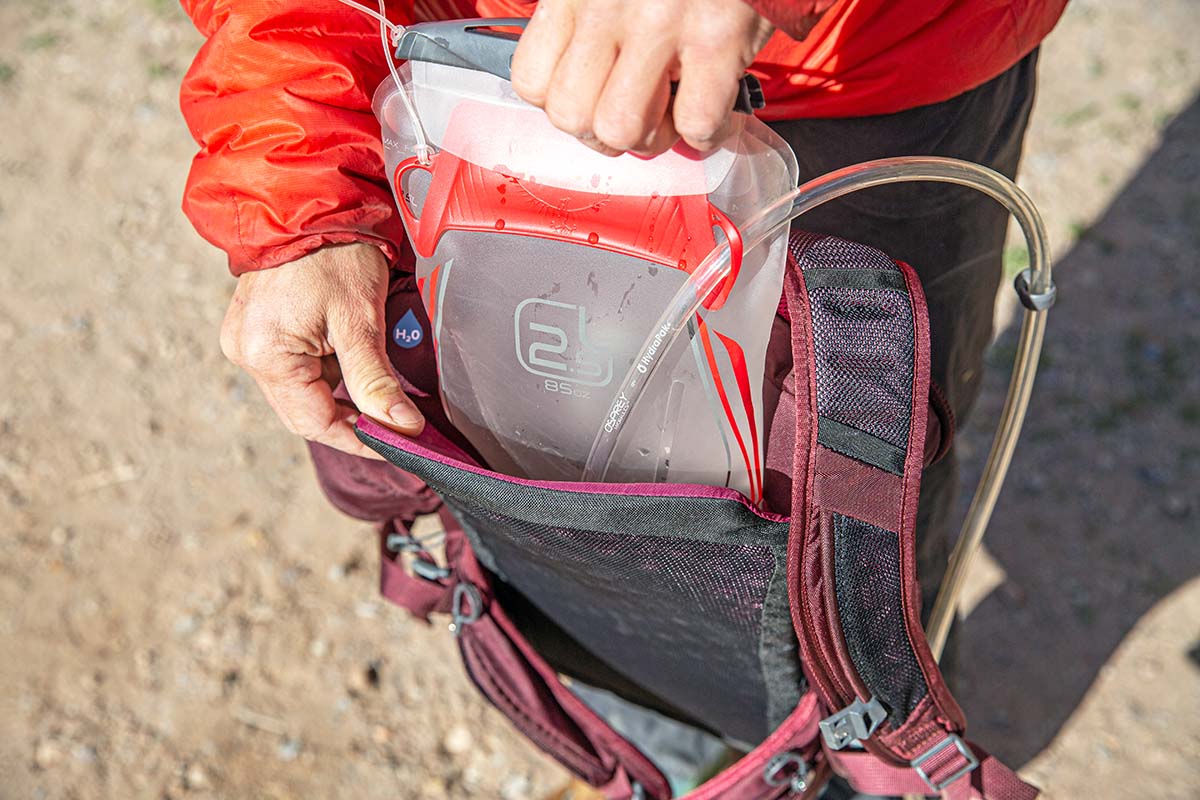
2. 🎒 Hydration vest (running vest / hydration pack)
- Volume: from 1 to 10 L
- Water capacity: 1.5–2 L (in a reservoir) + soft flasks
- Has pockets, compartments, sections
Pros:
- Even weight distribution
- Hands free
- Capacity for everything: food, jacket, tracker, first aid kit
Cons:
- Expensive
- Needs to be fitted to your body
- In the heat it can make your back overheat
💡 Best for: trail runners, ultras, long runs (>1.5 h), races in the heat
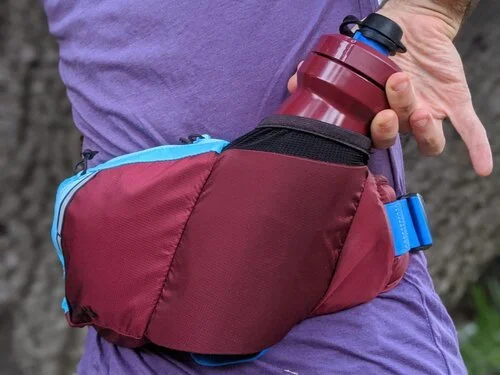
3. 🧊 Belt with a flask (belt or waist pack)
- Flask at an angle or centered
- Quick access, sometimes with a magnetic holder
- Some models have two small flasks
Pros:
- Low center of gravity → stability
- Doesn’t interfere with arm swing
- Can carry gels, keys
Cons:
- Bounces if not adjusted properly
- On hilly routes it may slide down
- Access is a bit worse than with a handheld flask
💡 Best for: road runners, half marathons, warm tempo runs
4. 🧳 Collapsible flask in a pocket
- Soft, folds as it empties
- Can be put in a belt, vest, or shorts pocket
- Often used in races with aid stations
Pros:
- Lightweight
- Doesn’t get in the way when empty
- Easy to top up at an aid station
Cons:
- Not very convenient to drink on the move
- Needs practice to use efficiently
💡 Best for: city runners with fountains, races with aid stations, short trails
🧠 How to choose what works for you
📉 How it affects your running
- Vest — even load, but can cause overheating
- Handheld flask — affects arm swing, form can get “crooked”
- Belt — can hit your lower back if it loosens
- Light flask — the most neutral option
📌 Test it on an easy day! Never use a brand new system for a race without trying it first.
🧪 Hacks and tips
- 💦 Before the start: drink 400–500 ml 1–1.5 hours before
- 🧊 In the heat you can freeze the flask — it will melt as you run
- 💧 For a 10K in the heat, 300 ml is enough
- 🫗 Flasks with a straw let you drink faster
- 🔄 Switch sides (if you carry it in your hand) so you don’t get imbalanced
📦 Remember: it’s important not only what you carry, but what’s inside
You can put in your flask:
- Water — if the workout is < 60 min
- Isotonic drink — if > 60–75 min
- Hypotonic (diluted) — if it’s hot + a long session
- Electrolyte drink — in the heat, even on a short distance
✅ Takeaways
- The format depends on the task: there is no one perfect option
- Beginners need simplicity and lightness, advanced runners need stability and volume
- Test your system: better to find out the flask chafes on an easy run than during a 42.2 km race.
And remember: a hydration system is not optional, it’s a mandatory part of your gear.